Cooling Service

Ductless Mini-Split Services in the Greater Toronto Area

Ductless systems are useful for additions, suites, offices and spaces where traditional ductwork is not practical.

Airrand installs ductless mini-split systems for additions, older homes, finished spaces, suites and areas without practical duct access throughout Vaughan, North York, Richmond Hill, Toronto and surrounding GTA communities.

What Airrand Handles

Professional ductless heating and cooling work with proper sizing, placement and clean installation.

Ductless systems are useful for additions, suites, offices and spaces where traditional ductwork is not practical. The goal is a ductless system that fits the space, looks intentional and is set up for reliable long-term comfort.

  • Single-zone ductless installations
  • Multi-zone system planning
  • Indoor head placement and line routing
  • Service and troubleshooting

Ductless Basics

Heating and Cooling Without Traditional Ductwork

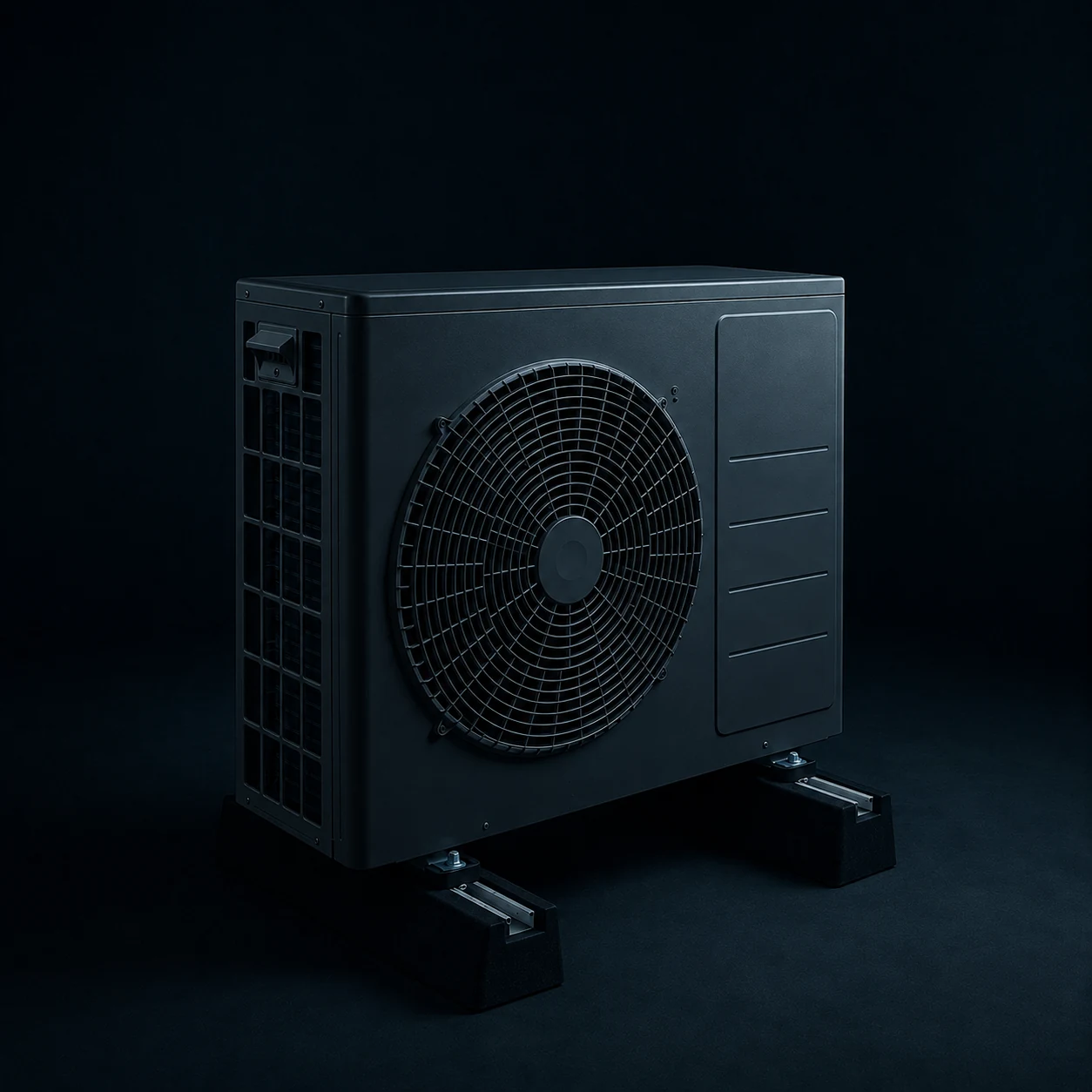
A ductless system uses an outdoor unit connected to one or more indoor units. Instead of moving conditioned air through a central duct system, each indoor unit delivers heating or cooling directly into the space it serves.

No traditional supply and return duct system required.
Outdoor Unit
Refrigerant Lines
Indoor Head
Conditioned Space

Common Applications

Where Ductless Systems Work Especially Well

Ductless mini-split systems are often useful for targeted spaces where extending or changing traditional ductwork is difficult, expensive or unnecessary.

Additions

Useful when extending the existing duct system is difficult or impractical.

Basements

Can provide dedicated temperature control for finished basement spaces.

Garages

Suitable for conditioned garages or workshops where appropriate.

Offices

Allows individual temperature control for smaller commercial or office spaces.

Older Homes

Can add heating and cooling without major duct renovations.

Problem Rooms

Useful for rooms that remain too hot or too cold compared with the rest of the building.

System Types

Single-Zone or Multi-Zone?

The right ductless layout depends on how many areas need conditioning, how they are used and which equipment combinations are supported.

Single-Zone

One outdoor unit

Outdoor Unit One Indoor Unit

A single-zone system serves one main space or comfort zone.

Best suited for:
  • One room
  • Addition
  • Garage
  • Basement
  • Office
  • Dedicated problem area

Multi-Zone

One outdoor unit

Outdoor Unit Multiple Indoor Units

Several indoor units can connect to one compatible outdoor unit depending on equipment design.

Best suited for:
  • Several rooms
  • Multiple floors
  • Homes without central ductwork
  • Separate comfort zones
The number and combination of indoor units depends on the specific equipment and system design.

Zoning

Comfort Where You Need It

Ductless systems allow individual areas to have their own temperature settings when the system is configured for multiple zones.

Different spaces can operate at different setpoints depending on the system configuration. In many standard multi-zone systems, connected indoor units generally share the same overall heating or cooling operating mode unless the equipment is specifically designed otherwise.

Bedroom 22°C
Office 21°C
Basement 20°C

System Design

More Indoor Heads Does Not Automatically Mean Better

Multi-zone ductless design needs planning. Installing too many or poorly selected indoor units can reduce system performance instead of improving comfort.

Airrand evaluates the equipment combination, the rooms being served and the real-world operating conditions rather than treating every head count as interchangeable.

Outdoor unit capacityIndoor unit combinationsSimultaneous loadRoom sizesDiversityLine-set lengthsElevation differencesManufacturer combination rules

Placement

Where the Indoor Unit Goes Matters

Indoor-unit placement affects air distribution, noise perception, comfort, service access, condensate drainage, refrigerant line routing and appearance.

Good placement considers:

Clear airflow path
Appropriate wall height
Service access
Furniture placement
Direct airflow exposure
Drain routing
Exterior wall access where possible

Installation Detail

Clean Line Routing Is Part of a Good Ductless Installation

Ductless systems require refrigerant tubing, communication wiring, condensate drainage, an exterior penetration and protective line-hide or another appropriate finish.

  • Straight line-hide and thoughtful routing
  • Clean wall penetrations and neat outdoor connections
  • Proper supports and serviceable equipment locations
A ductless system should look intentional, not added as an afterthought.

Installation Standard

What Proper Ductless Installation Actually Includes

A ductless mini-split installation is a complete comfort-system setup. The indoor units, outdoor unit, refrigeration circuit, drainage, electrical work, controls and commissioning all matter.

Equipment Sizing

Select indoor and outdoor equipment appropriate for the space and application.

Indoor Unit Placement

Choose locations that support effective airflow and serviceability.

Refrigerant Piping

Install, route and insulate the refrigerant lines correctly.

Vacuum & Dehydration

Properly evacuate the refrigeration circuit before startup.

Condensate Drainage

Provide reliable drainage from indoor units.

Electrical

Verify disconnects, wiring, breakers and communication connections.

Outdoor Unit Placement

Provide adequate airflow, clearance and service access.

Controls

Configure remotes, wired controllers or compatible smart controls as required.

Commissioning

Test operation, temperatures, drainage, controls and system response before completion.

Heating Performance

Ductless Systems Can Heat Too

Many modern ductless systems are heat pumps and can provide heating as well as cooling. Heating performance varies by model, outdoor temperature, system sizing and the way the space is used.

Cold-climate ductless equipment may be better suited to GTA winters, while some applications may still use another heating source as backup or support.

Cold-weather performance should be evaluated using the specific equipment data, not assumptions.
Learn More About Heat Pumps
Heating performance varies by model
Capacity changes with outdoor temperature
Cold-climate options may fit some GTA applications
Backup or support heat may still be appropriate

System Comparison

Ductless vs. Central Air

Both can be useful, but they solve different comfort problems. The better option depends on the building and the areas that need conditioning.

Ductless

  • No traditional duct system required
  • Individual zone control
  • Indoor units visible in the room
  • Good for additions and isolated spaces
  • Can provide heating and cooling

Central Air

  • Uses existing duct system
  • Conditions multiple rooms through shared ductwork
  • Indoor equipment is less visible
  • Good for whole-home centralized comfort

Ductless Heat Pump vs. Central Heat Pump

Ductless systems use individual indoor heads and do not require central ductwork. Central heat pumps use a furnace or air handler and ductwork for whole-home distribution.

Ductless

Individual indoor heads

No central ductwork required

Strong zoning flexibility

Central Heat Pump

Uses furnace or air handler and ductwork

Whole-home distribution

Similar layout to traditional central HVAC

View Heat Pump Services

Multi-Zone Operation

How Multi-Zone Systems Handle Heating and Cooling Calls

On many standard multi-zone ductless heat-pump systems, connected indoor units share the same overall operating mode. That means the system generally cannot cool one zone while simultaneously heating another zone.

Behavior varies by manufacturer. If one indoor unit is set to cooling and another is set to heating, the system may prioritize one mode, place one or more heads on standby, show a mode-conflict indicator or prevent conflicting operation.

Modern systems are designed with controls and protections to prevent normal mode conflicts from damaging the equipment.
Prioritize one modePlace heads on standbyShow a mode-conflict indicatorPrevent conflicting operation

Diagnostics

Common Ductless System Problems

These symptoms can have several possible causes and should be properly diagnosed before parts or refrigerant are added.

Indoor unit not coolingIndoor unit not heatingOutdoor unit not runningWater leaking from indoor headWeak airflowIce buildupError codesRemote or controller problemsUnusual noiseOne zone not operating properlyCommunication faultsBreaker tripping

Controls

Control Ductless Comfort Your Way

Ductless equipment may support handheld remotes, wired controllers, Wi-Fi control, manufacturer apps, smart-home integration and room temperature sensing.

Actual capabilities depend on the equipment. Control compatibility varies by model and manufacturer.

Handheld remotes
Wired controllers
Wi-Fi control
Manufacturer apps
Smart-home integration
Room temperature sensing

Maintenance

Ductless Systems Need Regular Care Too

Because ductless systems may provide both heating and cooling, filters, coils, drainage, controls and overall performance should be reviewed regularly. Maintenance helps keep the system checked, but it cannot prevent every possible failure.

Book Ductless Service
Indoor filters
Indoor coil condition
Blower wheel condition
Condensate drainage
Outdoor coil
Electrical components
Refrigerant performance
Line-set condition
Controls
Heating and cooling performance

CSA Approved

Airrand follows applicable CSA standards, codes and manufacturer requirements for safe equipment installation and performance.

TSSA Insured

Gas, combustion and venting work is handled with TSSA compliance in mind, from planning through final checks.

HRAI Certified

Airrand applies recognized HVAC training, sizing, airflow and installation practices for responsible system work.

FAQ

Ductless Systems FAQ

Common questions about ductless system service, installation, repair and quotes in the Greater Toronto Area.

Can ductless systems heat and cool?

Many ductless systems use heat-pump technology and can provide both heating and cooling. Capability depends on the equipment, system design and application.

Can I control each room separately?

Multi-zone ductless systems can provide separate temperature settings by zone, but connected indoor units generally share the same overall heating or cooling operating mode.

Can one ductless head heat while another cools?

Standard multi-zone systems generally do not provide simultaneous heating and cooling between connected heads. Some systems may show a mode conflict, place one head on standby or prioritize one mode depending on manufacturer design.

How many indoor heads can connect to one outdoor unit?

The number varies by outdoor-unit model, capacity, manufacturer combination rules, line-set lengths and the rooms being served. It should be confirmed from the specific equipment data.

Can ductless systems work in winter?

Many ductless heat-pump systems can provide useful heating in cold weather, but winter performance depends on the model, outdoor temperature, building load and installation. Cold-climate options may be considered for GTA applications.

Do ductless systems need drains?

Yes. Indoor units remove moisture during cooling and require proper condensate drainage. Drain routing is an important part of placement and installation planning.

Are ductless systems noisy?

Indoor and outdoor sound levels vary by equipment, capacity, operating speed, location and installation. Placement should be considered so the system is practical for the room.

Can I control my ductless system from my phone?

Wi-Fi or app control varies by model and manufacturer. Some systems include it, while others may require an accessory or may not support it.

Where should a ductless indoor unit be installed?

Placement should consider airflow, drainage, service access, room layout, furniture, direct airflow exposure and line-set routing. Exact placement should be planned on site.

Can ductless replace my entire furnace and AC system?

It depends on the home, heating load, room layout, equipment design and whether every important area can be served properly. Airrand can review whether ductless is a targeted solution or a broader replacement strategy.


Service Area

HVAC service throughout the Greater Toronto Area.

Airrand serves homeowners, property managers, builders and commercial clients across the GTA with heating, cooling, gas, ventilation, water heating and mechanical HVAC services.

24/7 Service Available

Need ductless mini-split help?

Share the equipment, property type and location so Airrand can recommend the right next step.

Call Request Quote