Heating & Cooling Service

Heat Pump Services in the Greater Toronto Area

Airrand helps GTA property owners evaluate, install and service central and hybrid heat-pump systems that can provide heating and cooling from one system.

Airrand installs and services central, air-source and hybrid heat-pump systems throughout Vaughan, North York, Richmond Hill, Toronto and surrounding GTA communities.

What Airrand Handles

Professional heat pump work with clear scope and clean execution.

Airrand helps GTA property owners evaluate, install and service central and hybrid heat-pump systems that can provide heating and cooling from one system. The goal is a system that fits the building, operates properly and is left ready for long-term use.

  • Central and air-source heat-pump system planning
  • Heat-pump replacement and installation
  • Hybrid heat pump and furnace integration
  • Indoor and outdoor equipment matching
  • Testing, setup and commissioning

Heat Pump Basics

Heating and Cooling From the Same System

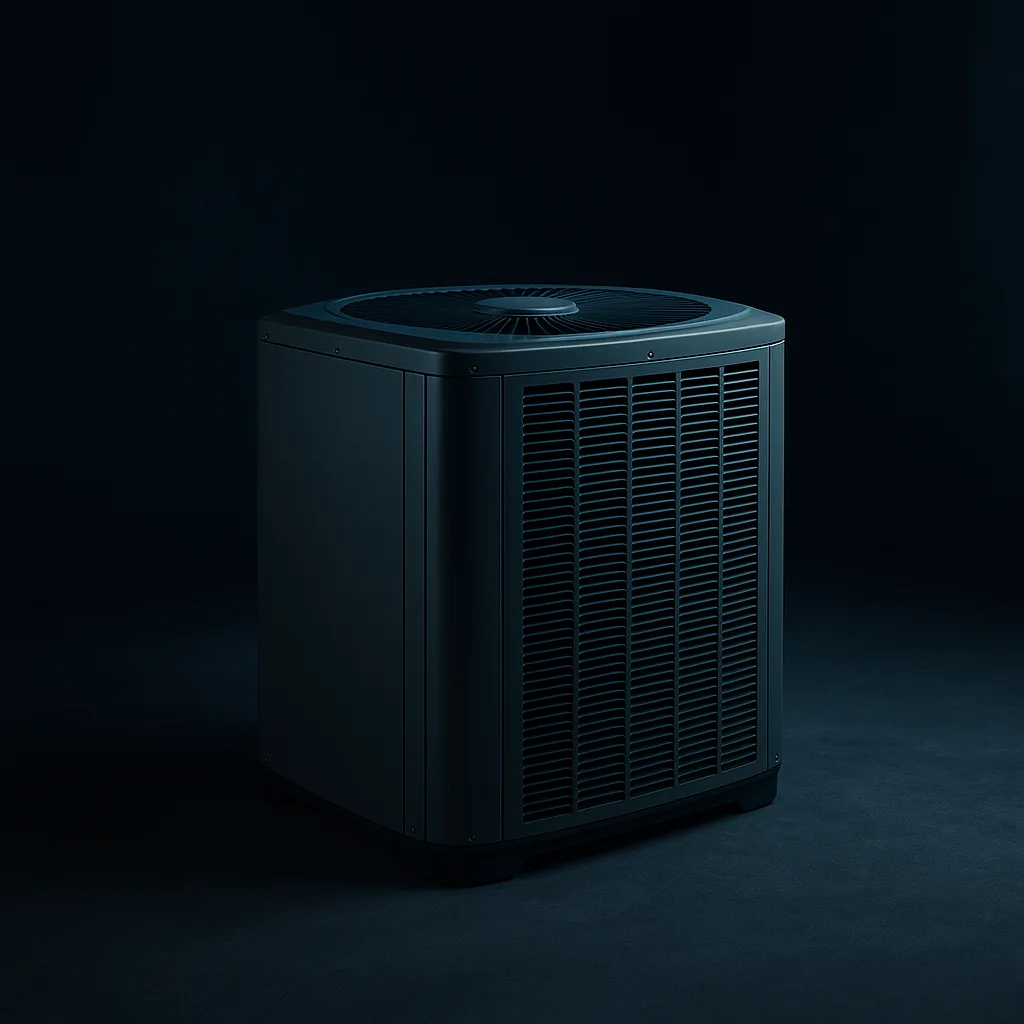
A heat pump moves heat rather than creating all of its heat through combustion. In cooling mode, it moves heat from inside the building to the outdoors. In heating mode, the refrigeration cycle reverses and transfers available heat from outdoor air into the building.

One outdoor system can provide both heating and cooling.

Summer

Cooling Mode

Inside heat -> Outside

Winter

Heating Mode

Outside heat -> Inside

Cold-Weather Performance

Do Heat Pumps Work in Ontario Winters?

Modern heat pumps can provide useful heating at low outdoor temperatures, but actual performance depends on equipment design, outdoor temperature, system sizing, building heat loss, installation and controls.

Heat-pump capacity and efficiency generally change as outdoor temperature drops. Cold-climate capability varies by manufacturer and model, which is one reason proper equipment selection matters.

Equipment design
Outdoor temperature
System sizing
Building heat loss
Installation
Controls

Hybrid Heating

Heat Pump + Furnace: A Flexible Ontario Setup

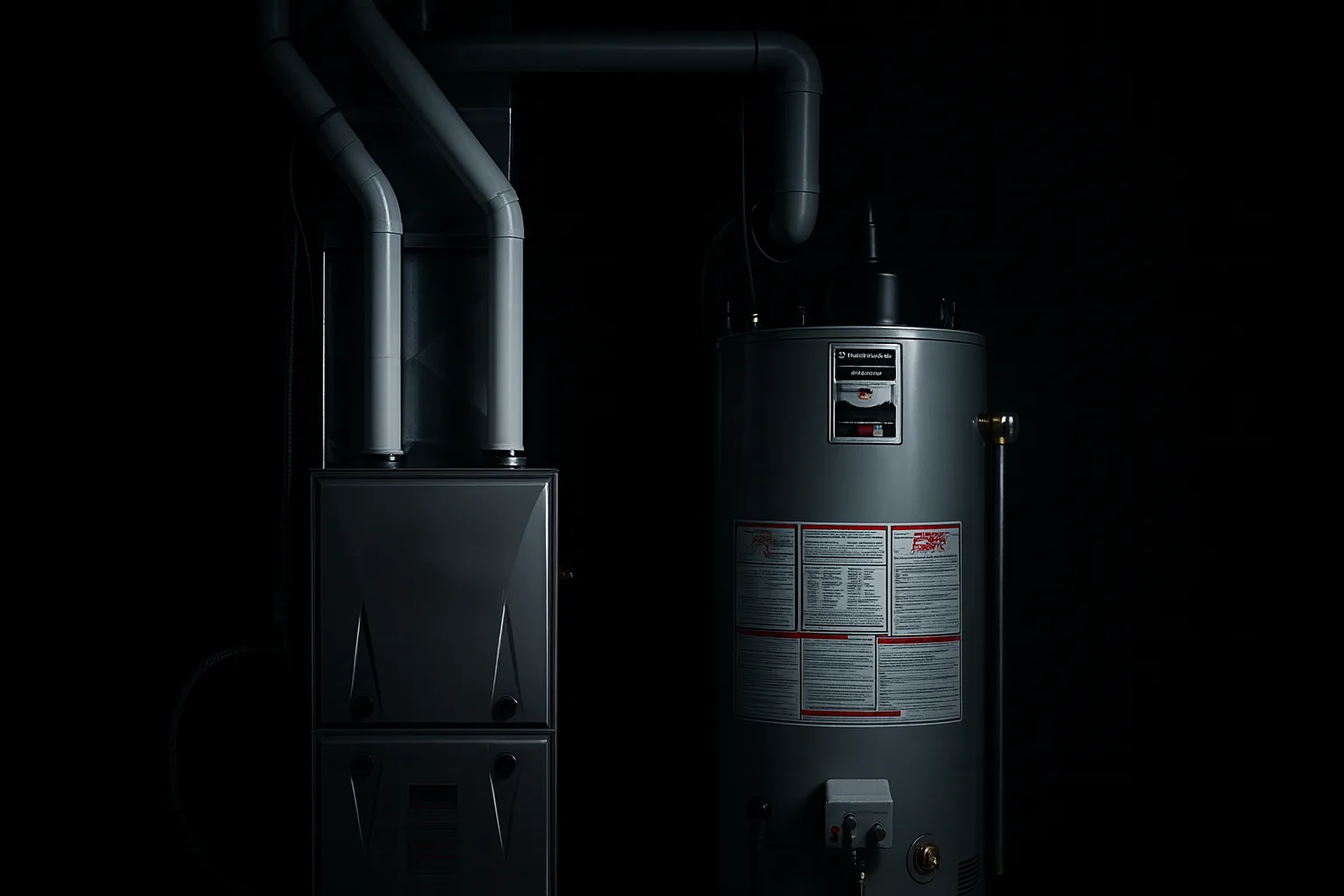
A heat pump can handle much of the home's heating and cooling while an existing or new gas furnace provides supplemental or backup heating when appropriate.

The switchover strategy depends on equipment, controls, energy costs, outdoor temperature and building requirements. Airrand avoids one-size-fits-all switchover rules.

Ask About Hybrid Heating
Milder Weather Heat Pump Primary heating
Colder Conditions / Higher Demand Furnace Support Supplemental or backup heat

System Fit

Is a Heat Pump Right for Your Home?

A heat pump should be evaluated as part of the whole home and HVAC system. The right answer depends on the building, ductwork, furnace, electrical capacity and comfort goals.

Existing Ductwork

Central heat pumps need an air-distribution system capable of handling the required airflow.

Existing Furnace

Some homes can integrate a heat pump with an existing furnace depending on compatibility and system condition.

Electrical Capacity

Heat-pump equipment and related components need appropriate electrical service.

Home Heat Loss

Insulation, windows, air leakage and heating load affect equipment selection.

Comfort Priorities

Customers may prioritize efficiency, lower gas use, cooling performance or more precise temperature control.

Budget

Heat-pump systems range from practical equipment to more advanced inverter-driven systems.

Equipment Selection

Choosing the Right Heat Pump

Not all heat pumps are the same. Capacity, cold-weather performance, efficiency, compressor technology and controls all affect whether a system is a good fit.

Explore Equipment Brands

Capacity

Equipment needs to be selected based on the building and expected heating and cooling load.

Cold-Climate Performance

Different systems maintain different levels of heating capacity as outdoor temperatures fall.

Efficiency

Heating and cooling efficiency ratings vary between models, but selection should stay practical and application-specific.

Compressor Technology

Single or two-stage systems use more conventional steps. Inverter or variable-capacity systems can adjust output more gradually based on demand.

Controls & Compatibility

Controls need to coordinate the heat pump, indoor equipment, furnace if applicable, thermostat and auxiliary heat.

Installation Standard

What Proper Heat Pump Installation Actually Includes

A heat-pump installation needs careful equipment matching, refrigerant setup, airflow, controls and commissioning in both heating and cooling modes.

Equipment Sizing

Select appropriate heating and cooling capacity for the application.

Indoor / Outdoor Matching

Ensure the indoor coil or air handler is properly matched to the outdoor unit.

Refrigerant Piping

Correctly install, route and insulate the refrigeration lines.

Vacuum & Dehydration

Properly evacuate the refrigeration system before startup.

Refrigerant Setup

Verify charge and operating conditions according to manufacturer requirements.

Airflow

Confirm proper airflow through the indoor equipment and duct system.

Electrical

Verify breaker, disconnect, wiring and controls.

Drainage

Install condensate drainage correctly.

Commissioning

Test both heating and cooling operation before completion.

System Performance

The Outdoor Unit Is Only Part of the System

A high-end outdoor unit cannot compensate for poor airflow, incompatible indoor equipment or incorrect control setup. Airrand evaluates the complete system rather than treating the outdoor heat pump as an isolated piece of equipment.

Outdoor heat pump
Indoor coil or air handler
Furnace if hybrid
Ductwork
Airflow
Thermostat and controls
Refrigerant piping
Building load

Performance

Efficiency and Heating Capacity Are Not the Same Thing

A heat pump can remain efficient while its available heating capacity changes with outdoor temperature. Equipment selection for a GTA home should consider both, not one efficiency number alone.

Efficiency How effectively energy is used
Available Heating Capacity How much heat the system can deliver

Normal Operation

What Is Heat Pump Defrost Mode?

During cold weather, frost can form on the outdoor coil. The heat pump may temporarily enter a defrost cycle to remove that frost.

A brief defrost cycle is normal heat-pump operation and does not automatically mean the system is malfunctioning.

The outdoor unit may produce steam
The fan may temporarily stop
Operation may sound different
Supplemental heat may operate depending on system configuration

System Types

Heat Pump vs. Air Conditioner and Gas Furnace

A heat pump is not automatically better for every home. It should be compared against the existing cooling and heating strategy.

Heat Pump vs. Air Conditioner

Air Conditioner

Cooling: Yes

Heating: No, requires separate heating equipment

Primary Role: Cooling

Heat Pump

Cooling: Yes

Heating: Yes

Primary Role: Heating + cooling

Both use refrigeration technology for cooling. A heat pump adds the ability to reverse the refrigeration cycle and provide heating.

View Air Conditioning Services

Heat Pump vs. Gas Furnace

Heat Pump

Transfers heat

Provides heating and cooling

Uses electricity

Performance changes with outdoor conditions

Gas Furnace

Creates heat through combustion

Provides heating only

Uses natural gas or fuel

Can deliver strong heating output in cold weather

Many GTA homes can also use both technologies together in a hybrid system.

Diagnostics

Common Heat Pump Problems

These symptoms can have several possible causes and should be properly diagnosed before parts or refrigerant are added.

Not heatingNot coolingOutdoor unit not operatingExcessive ice buildupSystem stuck in one modeWeak airflowFrequent cyclingUnusual noiseBreaker trippingPoor heating performanceThermostat or control issuesAuxiliary or furnace heat not operating correctly

Maintenance

Heat Pumps Work Year-Round

Because a heat pump may operate during both heating and cooling seasons, it can accumulate more annual operating hours than a conventional air conditioner. Maintenance helps keep the system reviewed, but it cannot prevent every failure.

Book Heat Pump Service
Outdoor coil condition
Indoor airflow
Filter condition
Refrigerant performance
Electrical components
Condensate drainage
Thermostat / controls
Defrost operation
Outdoor fan
Indoor blower
General heating and cooling performance

CSA Approved

Airrand follows applicable CSA standards, codes and manufacturer requirements for safe equipment installation and performance.

TSSA Insured

Gas, combustion and venting work is handled with TSSA compliance in mind, from planning through final checks.

HRAI Certified

Airrand applies recognized HVAC training, sizing, airflow and installation practices for responsible system work.

FAQ

Heat Pumps FAQ

Common questions about heat pump service, installation, repair and quotes in the Greater Toronto Area.

Can a heat pump heat my home in winter?

Modern heat pumps can provide useful heating in cold weather, but capability varies by equipment, outdoor conditions, system sizing, building heat loss, installation and controls.

Do I still need a furnace with a heat pump?

Some homes use heat pumps as the main heating and cooling system, while many GTA homes use a hybrid heat-pump and furnace setup. The best configuration depends on the home and equipment.

Will my heat pump run constantly?

Some variable-capacity heat pumps are designed to run longer at lower output. Longer runtimes are not automatically a problem if the system is maintaining comfort and operating correctly.

Why is my heat pump producing steam outside?

During cold weather, frost can form on the outdoor coil and the system may enter defrost mode. Steam, a temporarily stopped outdoor fan or different operating sounds can be normal during a brief defrost cycle.

Does a heat pump replace my air conditioner?

In many applications, yes. A heat pump provides cooling using similar refrigeration principles to an air conditioner while also being capable of heating when the refrigeration cycle reverses.

Are heat pumps noisy?

Noise varies by equipment design, capacity, compressor technology, location and installation. Placement and setup should be considered during system planning.

How long does a heat pump installation take?

Timing depends on the system type, indoor equipment, refrigerant line routing, electrical requirements, controls and whether the heat pump is being integrated with an existing furnace.

Can a heat pump work with my existing furnace?

Often it can, but compatibility needs to be evaluated. The furnace, indoor coil, controls, airflow, capacity and system condition all affect whether a hybrid setup makes sense.

Is a heat pump more efficient than a gas furnace?

They operate differently, so cost and efficiency comparisons depend on the equipment, outdoor temperature, utility pricing and building conditions. Airrand can compare practical options without making universal savings promises.

What size heat pump do I need?

Sizing should be based on the building and system requirements rather than square footage alone. Heating load, cooling load, ductwork, airflow and hybrid strategy all matter.


Service Area

HVAC service throughout the Greater Toronto Area.

Airrand serves homeowners, property managers, builders and commercial clients across the GTA with heating, cooling, gas, ventilation, water heating and mechanical HVAC services.

24/7 Service Available

Need heat pump help?

Share the equipment, property type and location so Airrand can recommend the right next step.

Call Request Quote